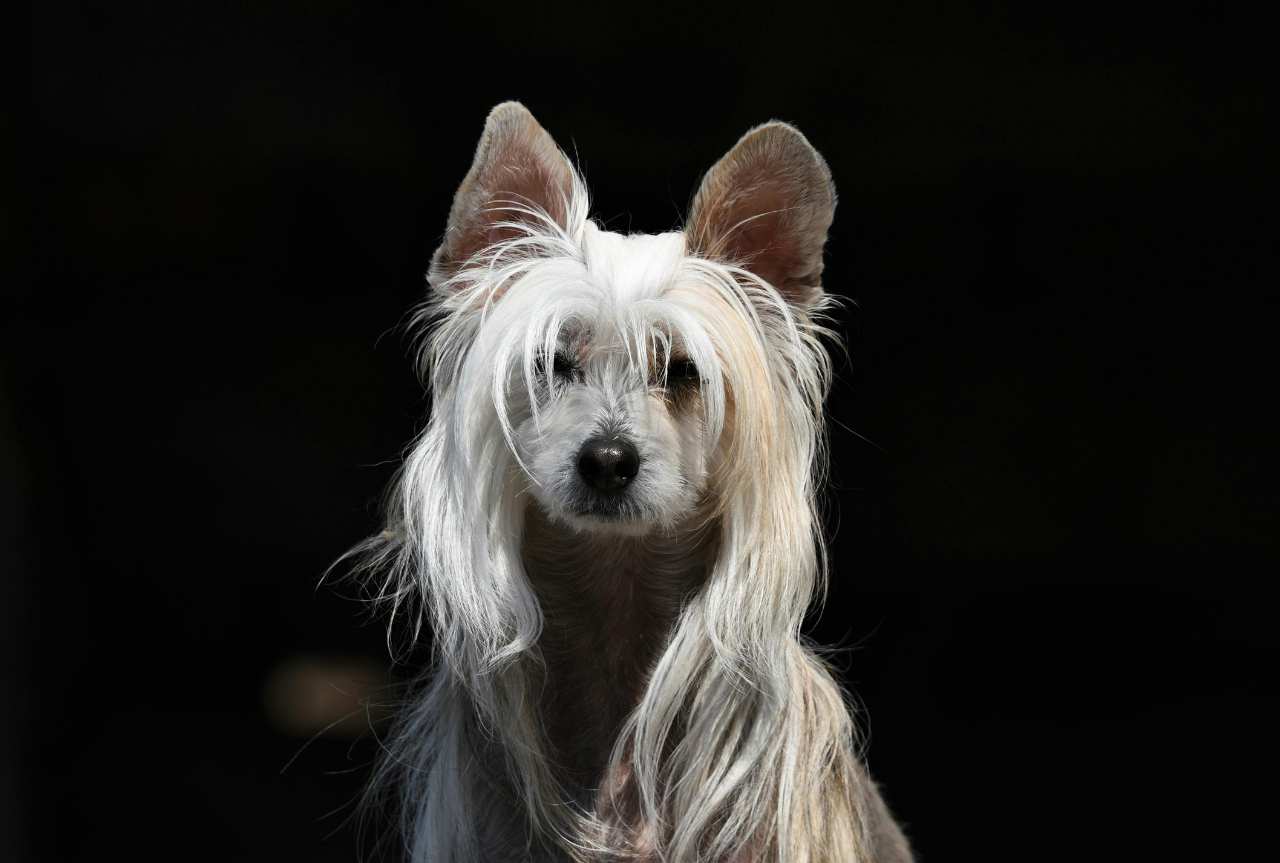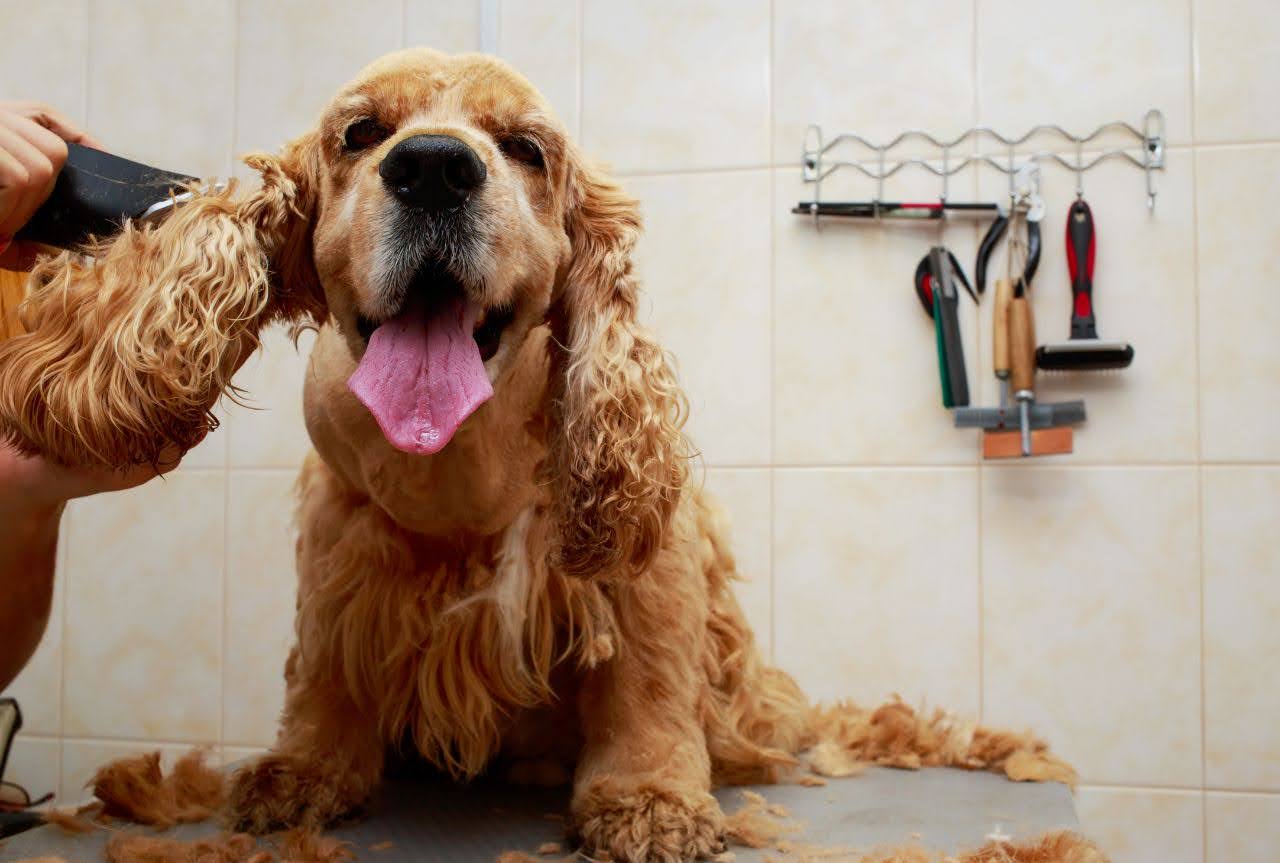

In professional dog grooming, the outcome depends not only on the groomer’s skill, but also on the type of coat being worked on.
Even two dogs of the same breed may require completely different techniques, tools and maintenance routines, depending on factors such as coat structure, growth pattern, density and skin sensitivity. Treating every coat the same is one of the most common causes of matting, coat damage, skin irritation and ineffective grooming sessions.
Understanding dog coat type forms the basis of safe, effective and professional grooming. Coat structure influences how the hair grows, sheds and tangles, how it reacts to brushing, drying and clipping and which products should be used.
Let’s explore why coat type matters and how it should inform every decision you make at the grooming table.
The two fundamental categories of coat growth
Every grooming decision begins with an understanding of how a dog’s coat grows. Despite differences in length, texture or density, all coats fall into one of these two categories.
These growth patterns influence how a coat responds to brushing, trimming, bathing and drying.
Continuous-growth coats
Breeds such as the poodle, shih tzu and maltese have coats that behave more like human hair than traditional fur. The strands grow continuously and do not shed in response to the seasons. As these coats keep growing, their length and shape must be managed through regular cutting and styling.
These coats often feel soft and silky, or are curly. While they shed very little, they carry a higher risk of matting. Loose hairs can become trapped within the growing coat, particularly in areas of friction such as behind the ears, under the legs and around collars or harnesses. Without regular detangling, the coat can become compacted close to the skin, forming tight mats that affect comfort and skin health.
From a grooming perspective, these coats require a routine that includes clipping, scissoring and structured styling. Regular detangling sessions keep the coat open and breathable and conditioning products play a major role in maintaining its elasticity and smoothness. Hydration and slip are essential because they enable grooming tools to glide through the coat with ease, thereby reducing mechanical stress on the hair and skin.
READ ALSO:
Best slicker brush for poodles: choosing the right grooming tools for your clients
Understanding the risks of slicker burn and how to prevent it during grooming
Predetermined-length coats
Breeds such as the Husky, Labrador Retriever and German Shepherd have coats that grow to a genetically determined length before stopping. These coats shed naturally, releasing old hair and replacing it with new growth. Many of these dogs also have a layered structure consisting of guard hair and an undercoat. This is designed to regulate temperature and protect the skin.
This type of coat renews itself seasonally, with heavier shedding periods often occurring during temperature changes. The undercoat loosens and is released in waves, creating the familiar “coat blow” that fills grooming rooms with loose fur. The integrity of the coat structure is important for insulation and skin protection, making coat preservation a central part of grooming strategy.
Grooming for these coats focuses on controlled deshedding and undercoat management rather than reshaping the silhouette through clipping. The aim is to remove loose hair, encourage healthy coat turnover and ensure air can circulate through the layers of fur.
Major dog coat types
Professional grooming considers also coat structure, because structure determines how the coat behaves under your tools, how it reacts to water and heat, and where problems first appear (such as breakage, compaction, frizz, deep matting and uneven shedding). Once you can recognise coat structure at a glance, you can stop treating every dog with the same routine and start achieving long-lasting results.
Let’s look at the main types of dog coat and how to handle each one.

Double coats
Double coats are made up of two layers: a protective top coat (guard hair) and an insulating undercoat that sheds in cycles. Your job is to facilitate this process, not fight it. These dogs often appear “fine” on the surface while their undercoat is denser underneath, especially around the shoulders, thighs, chest, and behind the ears.
The right approach is to systematically deshed: open the coat, lift and remove the loose undercoat and keep the guard coat intact so that it can do its job. The choice of tool matters here because heavy-handed brushing can break the guard hair and create the rough, fuzzy look that clients dislike.
Your workflow should be as follows: thorough preparation, controlled drying to help loosen the undercoat, then targeted deshedding and finishing. When done well, the coat will look lighter, cleaner and more breathable without losing its natural texture.
Curly coats
Curly coats (such as those of poodles) are elastic, dense and highly malleable, which is one of the reasons they are so satisfying to groom. However, they also trap loose hair easily, meaning they can mat close to the skin if the coat isn’t kept open and maintained.
Curly coats require precision: consistent brushing close to the skin, structured bathing and conditioning to create slip and deliberate drying to set the coat before scissoring. As the coat can be sculpted, the quality of the finish depends on how cleanly you prepare it: if you properly detangle and dry the coat with intention, your lines will look sharper and the trim will last longer. These coats need regular trimming, both for aesthetic reasons and because excess length increases friction and the risk of matting in areas where the dog moves a lot.
Wavy coats
Wavy coats are in a tricky middle ground: they look soft and flowing, but their fragile structure means they mat quickly from friction. Tangles form at the skin where the coat moves, bends or stays damp, such as the harness zones, leg joints and behind the ears.
This coat type requires careful handling and a methodical grooming routine. Over-brushing can cause breakage and frizz, while under-brushing allows micro knots to compact into mats that tighten during drying. Wavy coats respond best when brushing is treated as a controlled “opening” process rather than an aggressive raking process: work in sections, keep the coat supported and check your work consistently.
If you’re professionally responsible for a wavy coat, your success will come from prevention because once a wavy coat becomes matted, it rarely brushes out cleanly without incurring a cost.
Wire coats
Wire coats are all about preserving the texture. The goal is not just neatness, but maintaining the correct texture and appearance that the coat is genetically meant to have. In many cases, this involves hand stripping rather than relying solely on clipping.
When wire coats are clipped repeatedly, they can soften and lose their definition over time, shifting in colour and texture. Hand stripping helps maintain proper coat turnover and keeps the texture tight and functional.
Even when clients don’t want a full traditional finish, understanding coat structure enables you to make better choices regarding what can be stripped, what should be blended and how to ensure the coat maintains an intentional appearance rather than becoming “mushy”. Skin comfort and timing are important too, wire coats often respond better to a planned schedule of regular maintenance than to occasional major interventions.
Drop/long coats
Drop coats are long and flowing and usually have continuous growth. They can be silky or heavier, but the fact remains that they require routine care, not just the occasional rescue. These coats tangle at the skin, retain moisture and reveal any shortcuts, especially if the dog is active or the owners are inconsistent with their care routine.
As a groomer, drop coats require discipline: daily maintenance, strategic conditioning and careful drying. Coat longevity depends on minimising friction and preventing breakage, so “slip” becomes part of your technical toolkit: your products and technique should make detangling efficient, controlled and stress-free. Many pet owners choose a practical trim for their pet because it is compatible with real life. Your role is to help them strike a balance between a beautiful outline and a coat that they can actually maintain between appointments.
Combination coats
Combination coats are the most complex because they behave like several different coat types, sometimes on the same dog. You might be dealing with a soft top layer, a dense undercoat and sections that mat like hair-type coats. These coats require more tools and more decision-making, because a single approach won’t suit every texture.
The key is to identify the ‘map’ of the coat: where it compacts, sheds, breaks and mats at skin level. Your routine will be multi-stage: open, release, detangle and refine, using different tools at different stages instead of forcing one tool to do everything. Client education is also an important part of the service with combination coats: if home brushing doesn’t match the coat’s needs, the same problem areas will reappear at every visit.
How coat type influences tool selection
Understanding coat structure is only half the job: the real difference is seen when you choose tools that match the coat’s structure. Coat type directly influences how deeply you need to reach, how much tension the hair can tolerate and whether you are releasing the undercoat, separating curls or preventing surface friction. When tool choice aligns with coat behaviour, grooming becomes safer for the skin and far more comfortable for the dog.
Selecting the best grooming tools for a particular coat type means adapting your toolkit rather than relying on a one-size-fits-all approach. Different coats require different levels of penetration, flexibility and finishing precision.
Here’s how coat type typically guides tool selection:
- Slicker pin length: short pins suit fine, short or delicate coats where surface work and control are important. Long pins reach through dense or long coats to lift from the roots. Long and dense pin layouts are designed for heavy, compact coats that require deeper separation and undercoat access;
- Comb size and tooth spacing: fine, close teeth help to detect and refine small tangles in silky or drop coats. Wider spacing is better suited to thicker textures, where the focus is on checking coat openness rather than removing micro knots. Longer combs support body work, while smaller combs handle detailed areas;
- Pin brushes vs. slickers: pin brushes support coat alignment, volume and low-tension daily maintenance, especially during drying or finishing. Slicker brushes are designed for structured detangling, opening the coat and working closer to the skin where matting begins;
- Deshedding vs. detangling tools: double-coated breeds that shed benefit from tools that lift and remove loose undercoat without damaging the guard hair. Drop coats and hair types need detangling tools that separate strands and prevent compaction rather than focusing on coat removal.
Choosing tools based on coat type elevates the quality of your work, protects coat integrity and makes every session more efficient for you and more comfortable for the dog. When each brush, comb and pin configuration has a clear role in your workflow, grooming becomes a structured process rather than a trial-and-error routine.
That’s the philosophy behind Minelli PETS tools: materials selected for durability and hygiene, pin designs developed for real coat behavior and ergonomics built for long professional days.
Explore the full range at www.minellipets.com.