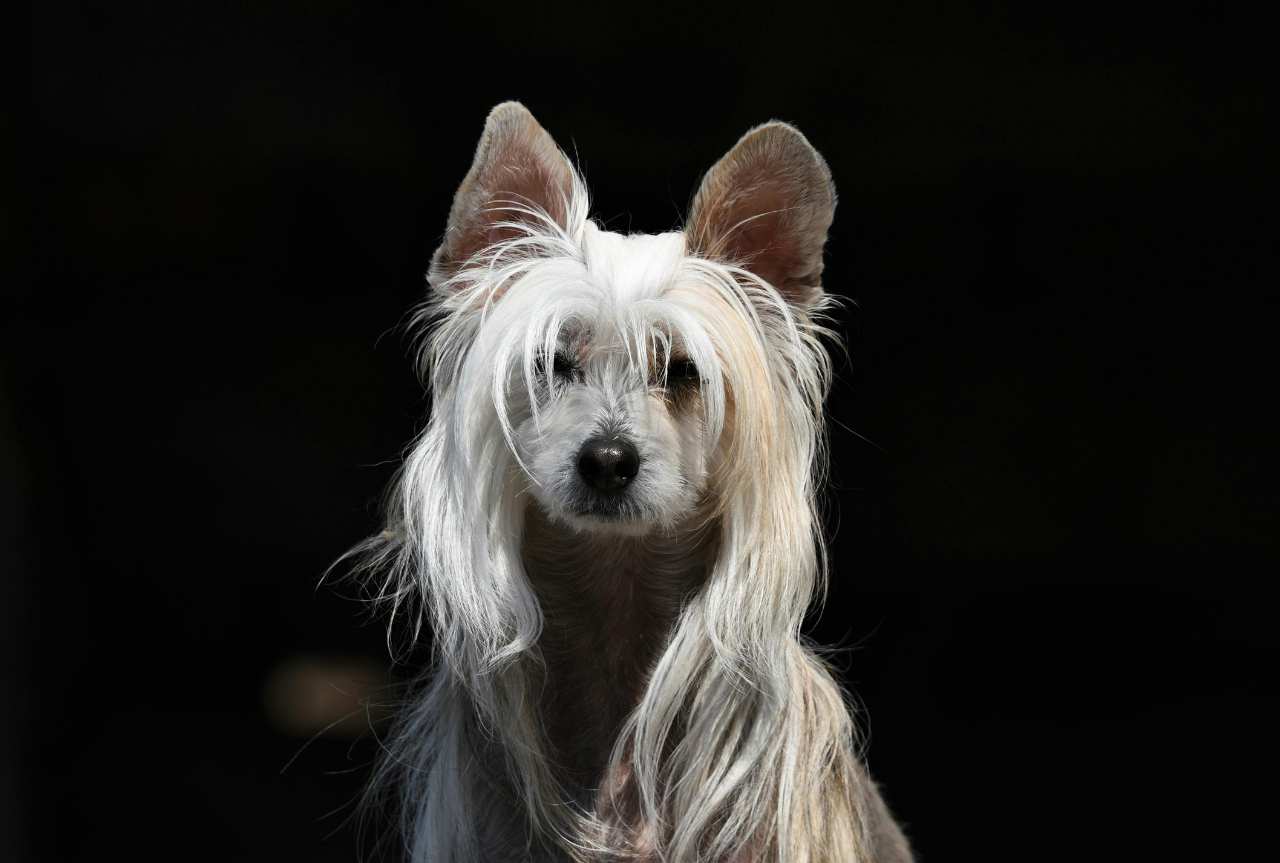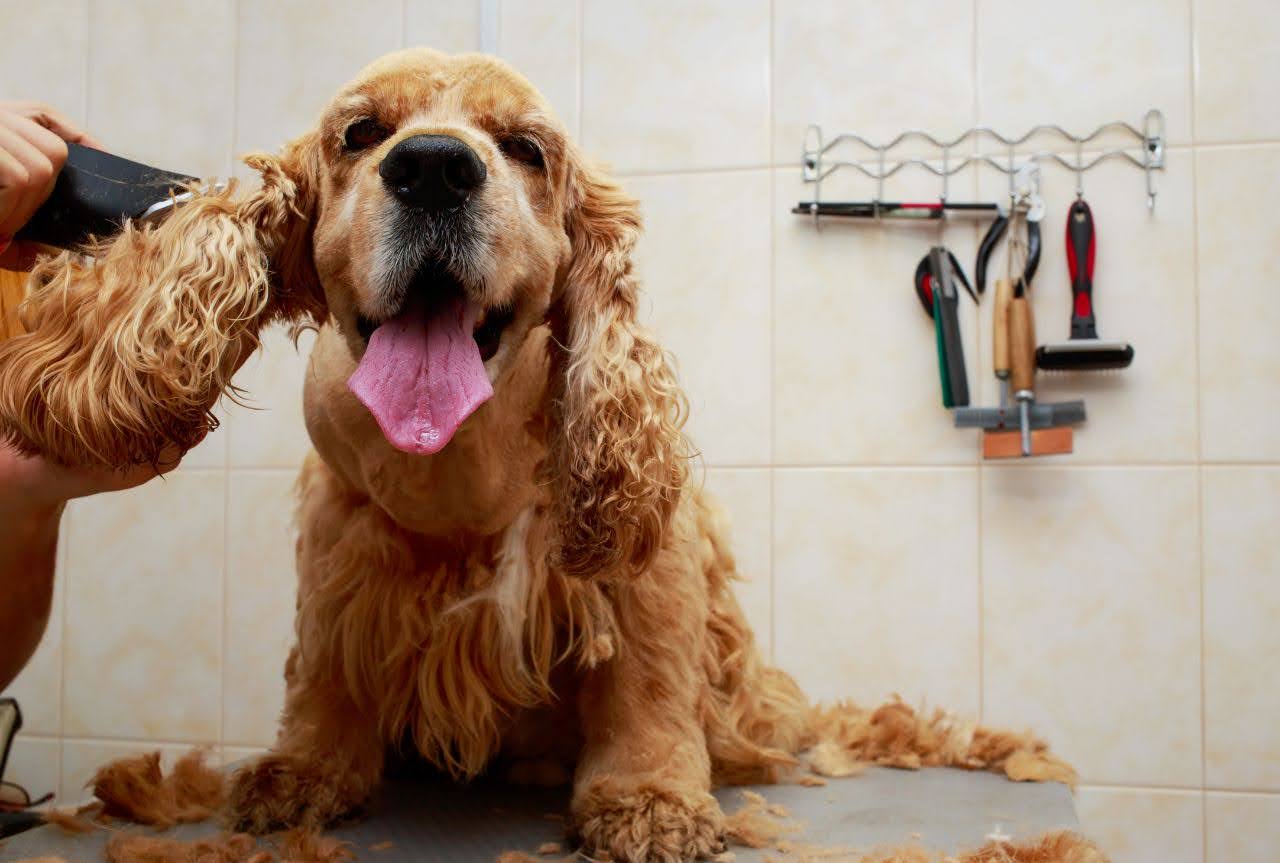

You see coats every day, but you also know that no two coats behave in the same way on the grooming table. The texture, density, growth pattern and skin sensitivity of each dog change the way it should be handled from the very first stroke of the brush.
An incorrect evaluation at the outset can result in wasted time, poor coat quality and lost client trust. Using the wrong technique or tool for a specific coat type often leads to breakage, uneven results and discomfort for the dog, not to mention the extra work required to fix the problem.
Dog coats are not all the same, so grooming approaches cannot be either. What helps you work quickly and efficiently with one coat type may slow you down or cause damage with another. Professional results come from matching your technique, tools and handling style to the coat you are working on.
Let’s look at the most common grooming mistakes by coat type, which will help you refine your approach, protect coat health and deliver consistent, high-quality results that both dogs and clients will appreciate.
Common mistakes when grooming short coats
Although short coats often appear easy to manage, they leave very little room for error. With less hair to cushion the skin, every movement of the brush or tool has a more direct impact. Technique, pressure and tool choice all have a significant impact on the final result and are immediately felt by the dog.
#1 – Over-brushing the coat
Short coats do not require the same brushing intensity as longer or denser types. Repeatedly brushing the same area can overstimulate the skin, leading to redness, sensitivity and increased shedding.
Working efficiently with light, controlled strokes helps to remove loose hair while keeping the skin calm. The goal is to refresh the coat, not “dig into” it.
#2 – Using harsh or inappropriate tools
Tools designed for thick undercoats or heavy detangling can be too aggressive for short-coated dogs. Rigid pins, sharp edges or excessive pressure can scratch the skin and damage the coat’s natural shine.
Tools that glide smoothly and respect the coat’s structure help to achieve a clean finish without putting unnecessary stress on the skin.
#3 – Ignoring skin sensitivity
With short coats, the skin is much more exposed and reactive. Temperature, pressure and friction all affect how comfortable the grooming process is for the dog.
Paying attention to the dog’s skin condition throughout the grooming session, especially in sensitive areas such as the belly, armpits and inner thighs, helps you to adjust your technique in real time, ensuring the dog remains comfortable while maintaining the coat’s appearance.
Common mistakes with double coats
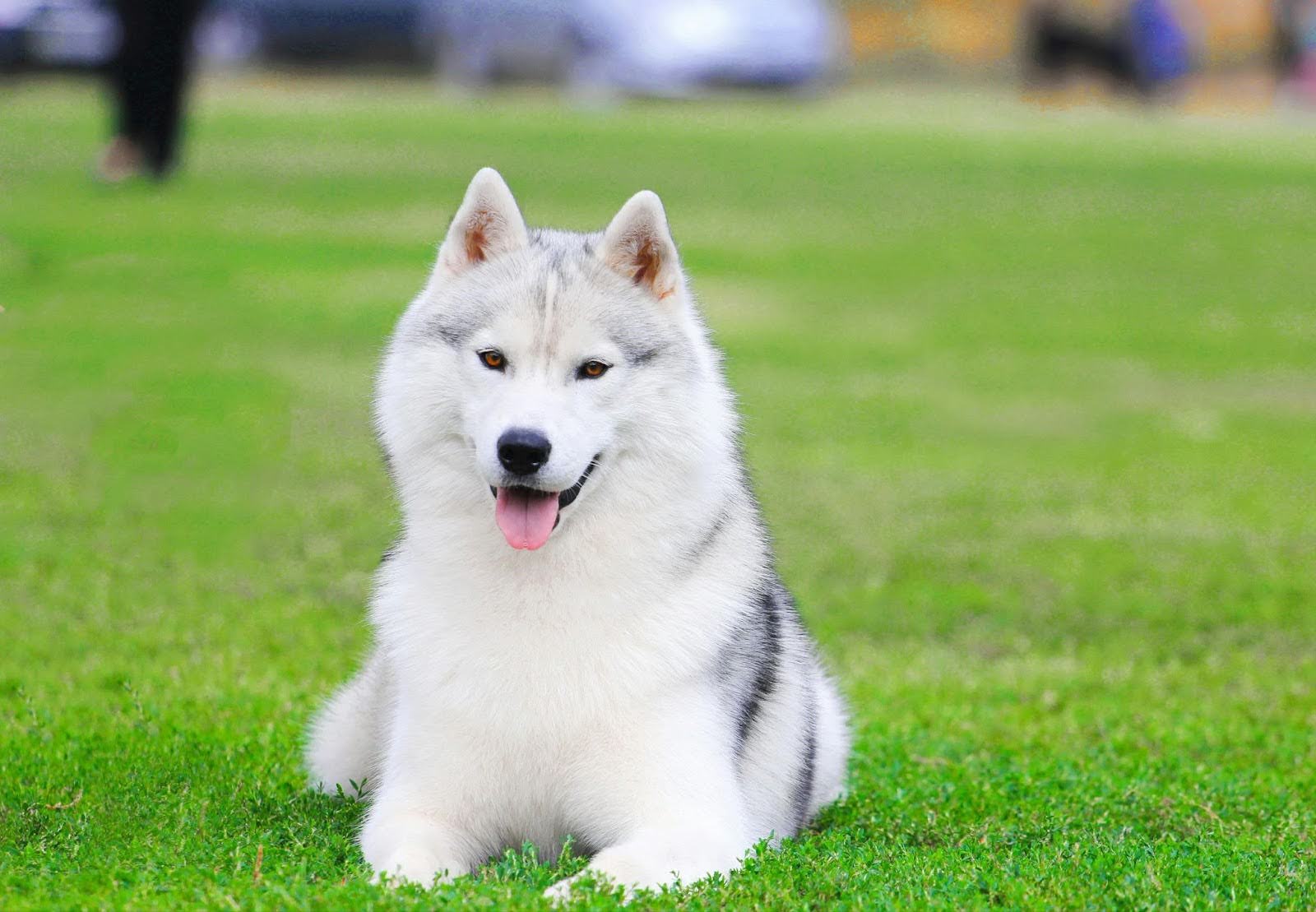
Double coats provide insulation and volume and have a specific growth cycle that acts as a natural climate-control system. When working with this type of coat, it’s important to understand that you’re not just shaping hair: you’re managing a layered structure designed to protect the dog in both cold and heat. Small mistakes can have long-term effects.
#1 – Over-stripping or shaving
Going too far with stripping or choosing to shave a double coat can completely alter the way in which the coat grows back. The guard hairs and the undercoat follow different cycles, so once this balance is disrupted, the regrown hair often comes back unevenly, in patches, or with a softer texture that traps more dirt and moisture.
Although shaving might seem like a quick solution when dealing with heavy shedding or matting, it often creates more work for future sessions and leaves the coat without its natural protection.
#2 – Skipping proper deshedding
Loose undercoat does not disappear on its own. Without a thorough, coat-type-appropriate de-shedding routine, that dead hair stays trapped close to the skin. The result is overheating, a dull appearance and a coat that never sits properly.
Regular, structured de-shedding promotes air circulation through the coat and ensures the guard hairs function properly. This is one of the key steps in keeping a double coat healthy and functional.
#3 – Using tools that cut rather than remove the undercoat
Some tools feel efficient because they remove a lot of hair quickly, but they often cut through both the guard hairs and the undercoat simultaneously. This weakens the coat structure and changes how it protects the dog over time.
Using tools designed to lift and release the undercoat rather than cut through the top layer helps to preserve the natural coat cycle. Respecting this cycle results in better regrowth, improved insulation and a coat that retains its original function.
Common mistakes with curly or woolly coats
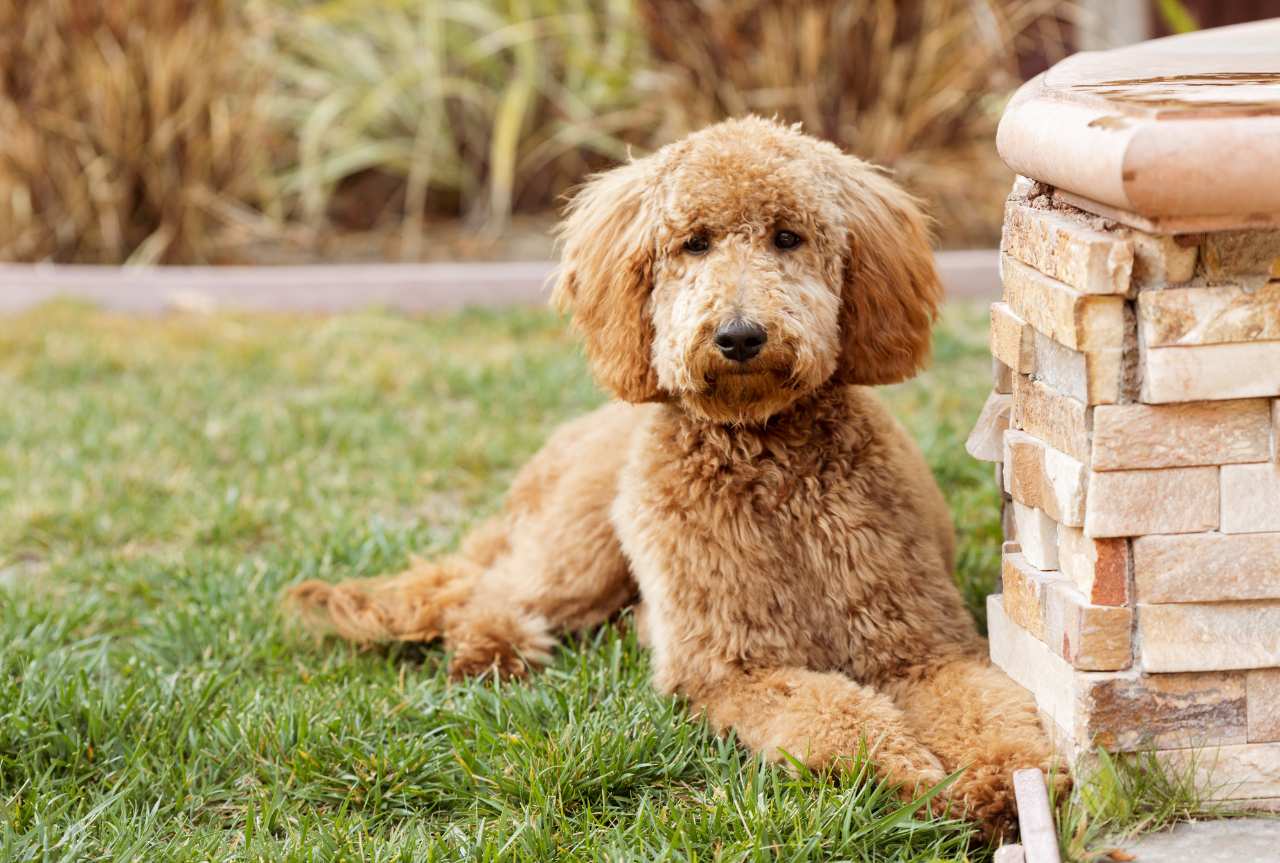
Although curly and wool coats appear soft and manageable on the outside, they conceal structure, density and tangles closer to the skin. The volume, texture and curl pattern all depend on how the coat is handled, from preparation to finishing. Taking a shortcut in the process can result in tight mats, an uneven shape and spending extra time on the grooming table.
#1 – Brushing only the surface
Running a brush over the top layer can create the illusion of a clean, fluffy coat. However, underneath, knots can remain tightly packed close to the skin, particularly in areas of high friction such as behind the ears, under the legs and along the chest.
Working in sections and reaching all the way down to the base of the coat keeps the structure open and prevents hidden mats from forming. True preparation starts at the skin, not the surface.
#2 – Detangling dry coats
Curly hair under tension breaks easily when completely dry. Pulling through knots without proper moisture or conditioning can cause stress to both the coat and the dog.
Lightly misting the coat with a suitable product before brushing helps the tool to glide more easily, reduces friction and protects the integrity of the curl. A hydrated coat responds better to grooming and retains its texture.
#3 – Poor drying technique after bathing
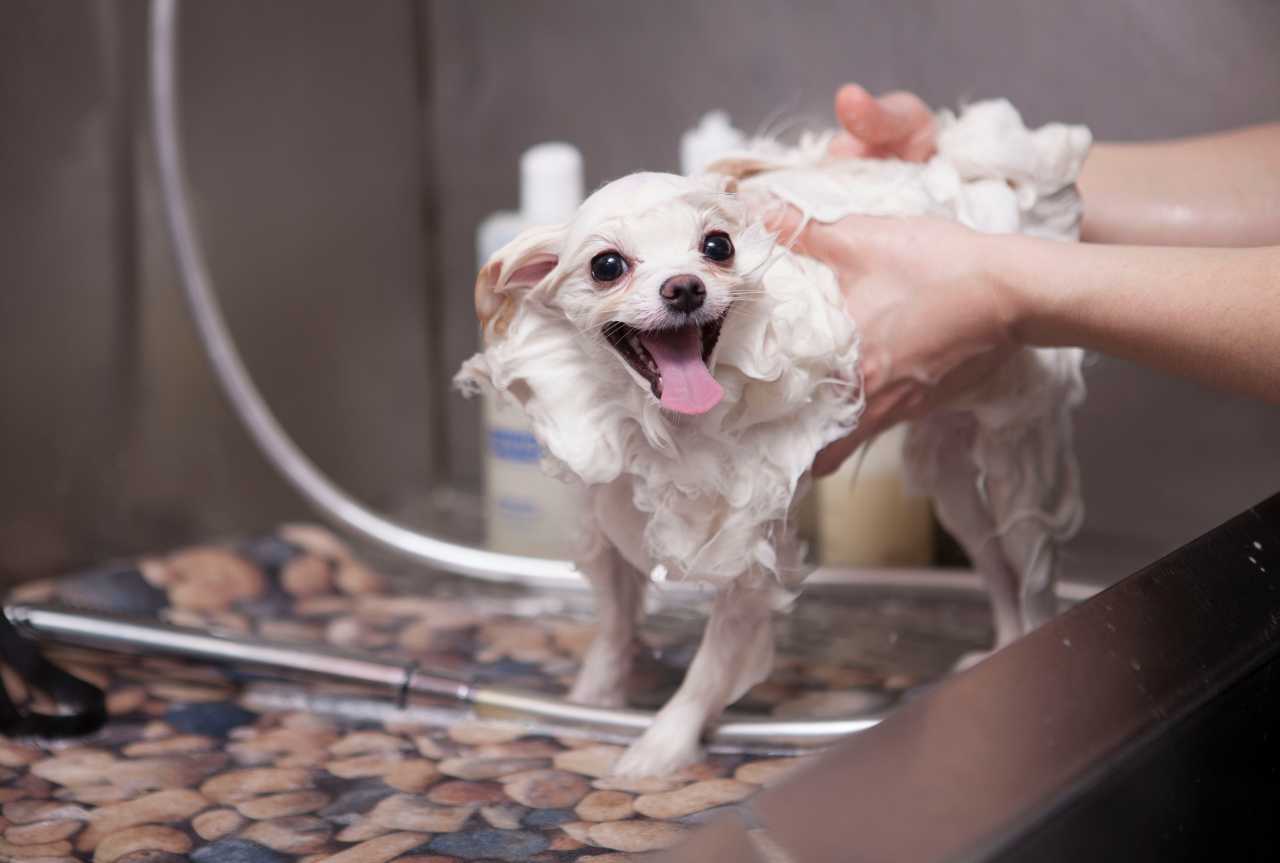
Drying shapes the final result just as much as cutting. Using air that is too hot, directing the airflow improperly, or rushing through dense areas can leave the coat compacted and prone to quick re-matting.
Controlled airflow combined with brushing during drying helps to separate the curls, manage volume and create a coat that stays open and is easy to maintain until the next appointment.

Common mistakes with long, silky coats
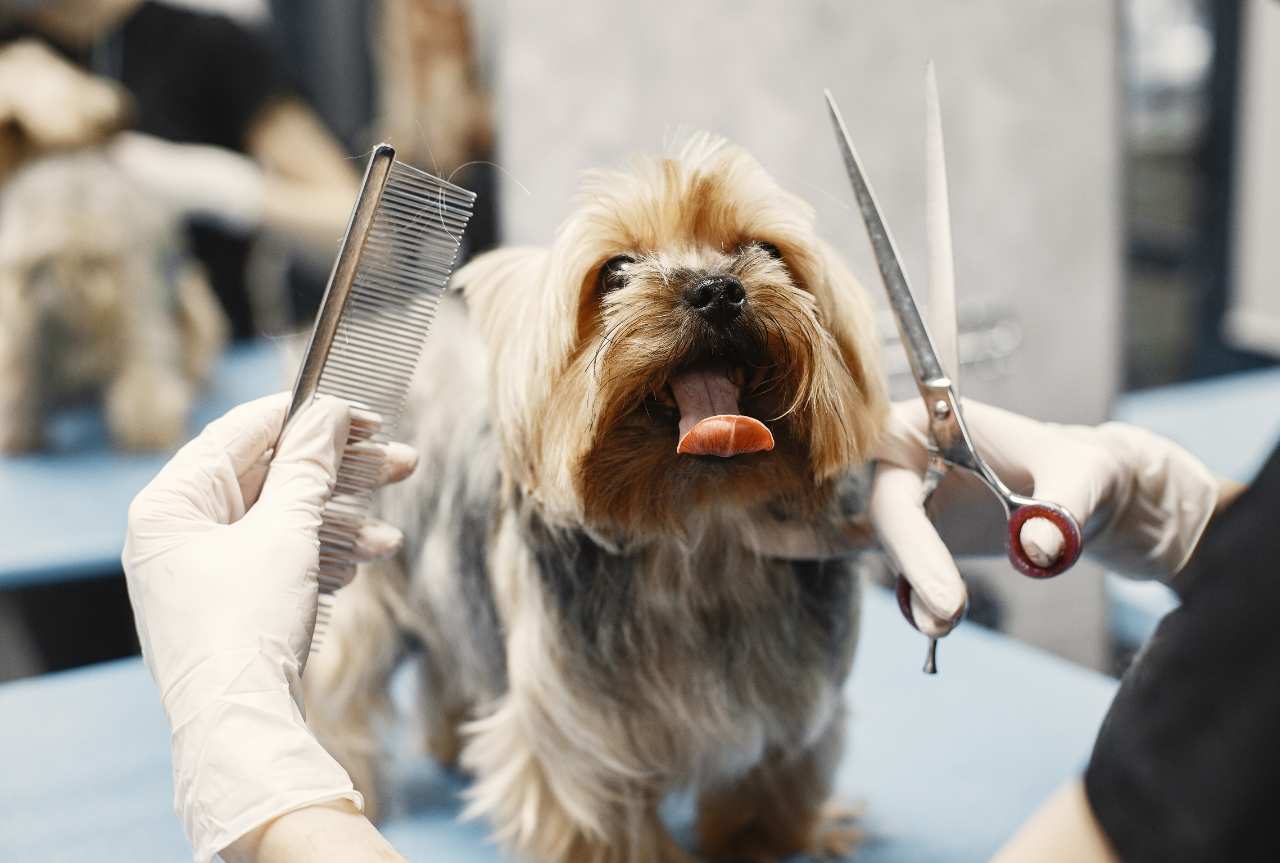
The key to a long, silky coat is smooth flow, natural shine and even movement. Every grooming step influences how the coat looks and feels over time. Excessive traction, rushed detangling or poor sectioning can easily lead to breakage, frizz and loss of length.
READ ALSO:
How should you care for a dog with a long coat? Techniques and tools for managing a drop coat
Dog shedding season: how to prepare your offer for the busy months ahead
#1 – Using the wrong brush type
Silky coats respond best to tools that glide without gripping too aggressively. Brushes designed for dense or curly coats can create too much drag, pulling at the hair shaft and stressing the roots.
Brushes that support gentle detangling and controlled smoothing help to maintain shine and preserve the coat’s natural movement.
#2 – Breaking the coat during detangling
Pulling through knots with force creates tension along the hair shaft. This leads to breakage, split ends and an uneven finish, which becomes more visible with every session.
Working slowly from the ends towards the roots, supporting the section with your hand and reducing resistance as you go, helps to keep the coat intact and protects its length and texture.
#3 – Not working in sections
Attempting to manage a long coat in its entirety quickly results in unnecessary pulling and missed tangles. Large, unstructured brushing movements increase traction and make it harder to control the amount of pressure applied.
Dividing the coat into small, manageable sections gives you better visibility and control. This approach reduces stress on the hair, prevents hidden knots and results in a smoother, more polished finish.
How the right tools prevent most grooming mistakes
Many grooming challenges start with the wrong tool for the coat in front of you. When design and coat structure work together, technique becomes more effective and results more consistent. Professional tools support your work by focusing on:
- Ergonomics that improve control, balance and comfort during long grooming sessions;
- Pin types and materials that interact correctly with different coat textures, from dense undercoat to fine silky hair;
- Coat-respecting design that lifts, separates and guides the hair without creating unnecessary traction or damage.
Working with tools developed for real salon use helps protect coat quality, improve efficiency and deliver a finish that reflects your professional standards. Discover grooming tools designed with performance, materials and long-term use in mind at minellipets.com.