
What makes a grooming style really right for a dog? The answer lies beyond trends or visual appeal. Every cut affects how the coat grows, how well it protects the skin and how easy it is to maintain on a daily basis for both professionals and owners.
Grooming styles are constantly evolving, influenced by changing aesthetics, mixed breeds, and a growing awareness of coat health and animal comfort. Dog owners are paying closer attention to how their pets look and feel and they often arrive at the salon with clear expectations inspired by social media, breed standards or lifestyle needs.
The right style for grooming professionals is one that balances beauty, function and practicality. Coat type, density, growth pattern and the dog’s routine all play a role in creating a lasting look. If you understand the most common grooming styles and when to use them, you can guide clients with confidence and deliver results that stay both stylish and easy to manage.
Short coat grooming styles
Short coats provide a clean and defined appearance, accentuating the dog’s natural structure. With less hair to work with, precision is key. Every line, transition and finishing touch stands out, meaning technique and coat condition are clearly visible in the final result. The focus is on enhancing shine, maintaining smooth lines and keeping the coat healthy and balanced.
Natural trim
This style works with the dog’s original coat length and texture. This style involves tidying key areas such as the paws, sanitary zones and feathering, while preserving the dog’s natural body outline.
When executed well, a natural trim enhances the dog’s proportions and brings out coat shine without altering the overall appearance. This style is ideal for owners who prefer a clean, well-groomed appearance with minimal alteration.
Contour grooming
Contour grooming refines the dog’s silhouette by shaping the coat along the body’s natural lines. Even on short coats, small adjustments around the neck, chest, underline and rear can create a more balanced and athletic appearance.
This style requires attention to detail and smooth blending, as uneven transitions are easy to spot. The aim is to achieve a polished outline that looks effortless and natural.
De-shedding-focused style
For short-coated breeds that shed heavily, grooming revolves around controlled de-shedding while maintaining the coat’s natural length. The emphasis is on removing loose undercoat and dead hair to restore smoothness and shine.
This improves coat texture, supports skin health and leaves the dog with a sleek, refreshed finish that feels lighter and looks cleaner.
READ ALSO:
Dog shedding season: how to prepare your offer for the busy months ahead
Understanding the risks of slicker burn and how to prevent it during grooming
Grooming styles for double coats
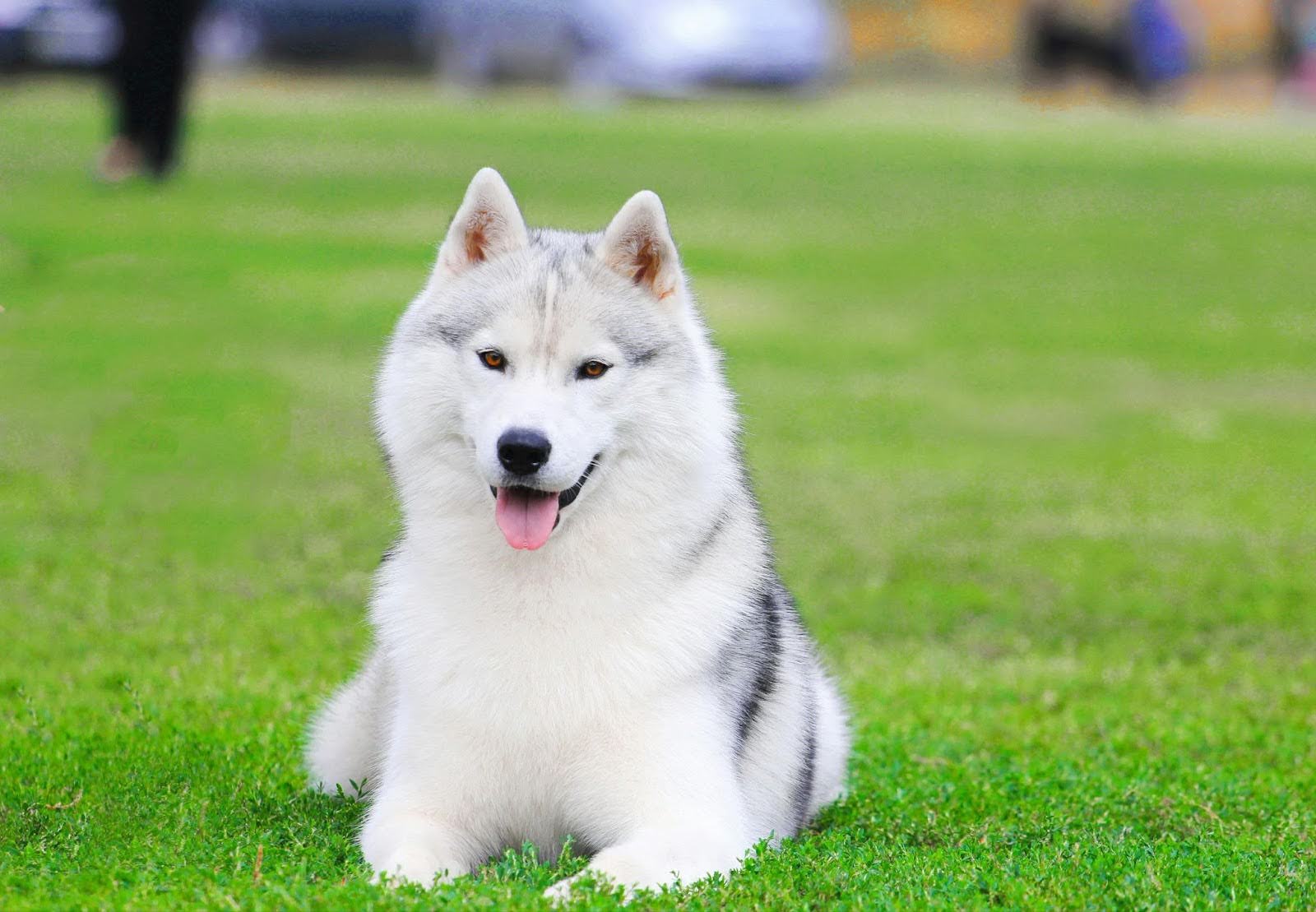
Double coats provide volume, structure and natural protection. Grooming these coats involves working with their layered structure rather than reshaping them dramatically. The focus is on enhancing the outline, managing the bulk and maintaining healthy air circulation through the coat, all while preserving its natural function.
Outline trim
This refines the dog’s natural silhouette without removing essential coat length. Light shaping around the neck, legs, feet and rear creates a cleaner, more defined profile, while keeping the protective outer coat intact.
This style is ideal for owners who want their dog to look neat but still true to its natural coat.
Tidy-up style
This style focuses on areas that tend to become untidy over time, such as the paws, hocks, tail base and feathering. The body coat remains largely untouched while the details are sharpened to create a well-groomed finish.
This practical option improves manageability and appearance while fully respecting the coat’s structure.
Seasonal de-shedding grooming
Seasonal grooming sessions often focus on thorough undercoat removal during periods of heavy shedding. This reduces excess bulk, improves airflow through the coat and keeps the dog more comfortable as temperatures change.
Targeted de-shedding supports the natural shedding cycle, leaving the coat lighter and more balanced without altering its length.
Why is shaving a double-coated dog not an effective grooming technique?
Shaving a double coat changes how the coat grows and functions. The outer guard hairs and the undercoat have different growth rhythms, so removing them can result in uneven regrowth, changes in texture, and reduced protection from heat, cold and sun exposure.
Maintaining the integrity of the double coat through careful trimming and structured de-shedding preserves its appearance and long-term health.

Grooming styles for curly and wool coats
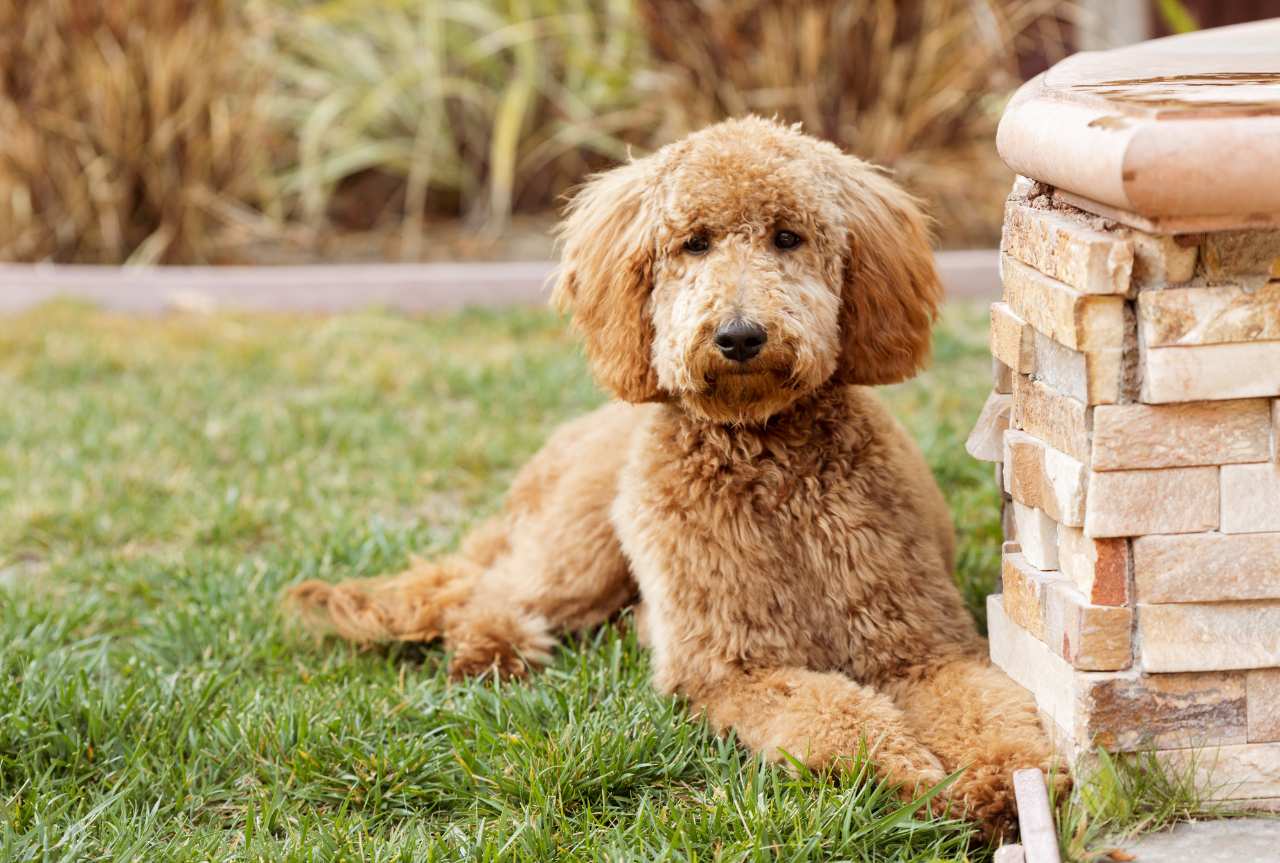
Thanks to their density, elasticity, and natural volume, curly and wool coats offer huge styling potential. They hold their shape well, allowing for soft silhouettes, rounded lines and expressive trims. The focus of grooming is to control volume, create balance, and maintain a manageable texture between appointments.
Teddy bear cut
The teddy bear cut is one of the most popular styles for dogs with curly coats. The coat is kept at an even, medium length across the body, with a rounded face and soft transitions that create a plush, friendly expression.
This style enhances volume while maintaining an overall balanced shape that is easy to keep up with regular brushing and scheduled trims.
Lamb cut
The lamb cut combines fuller legs and a fuller body with a shorter back and neck to create contrast and a clean outline. The legs are left longer and shaped into soft columns, while the body is kept neater for easier maintenance.
It’s a great option for highlighting structure while still celebrating the natural texture of a curly coat.
Modern pet trim
The modern pet trim adapts traditional breed trims to create more practical, lifestyle-friendly versions. Lengths are adjusted for easier upkeep, lines are kept soft and facial styling is designed to remain cute and expressive without necessitating daily intensive grooming.
The result is a stylish look that fits into everyday life while keeping the coat healthy and well-shaped.
Success with all curly and wool styles comes from managing volume intentionally, shaping the coat in sections and maintaining a texture that supports both aesthetics and long-term coat care.
Grooming styles for long, silky coats
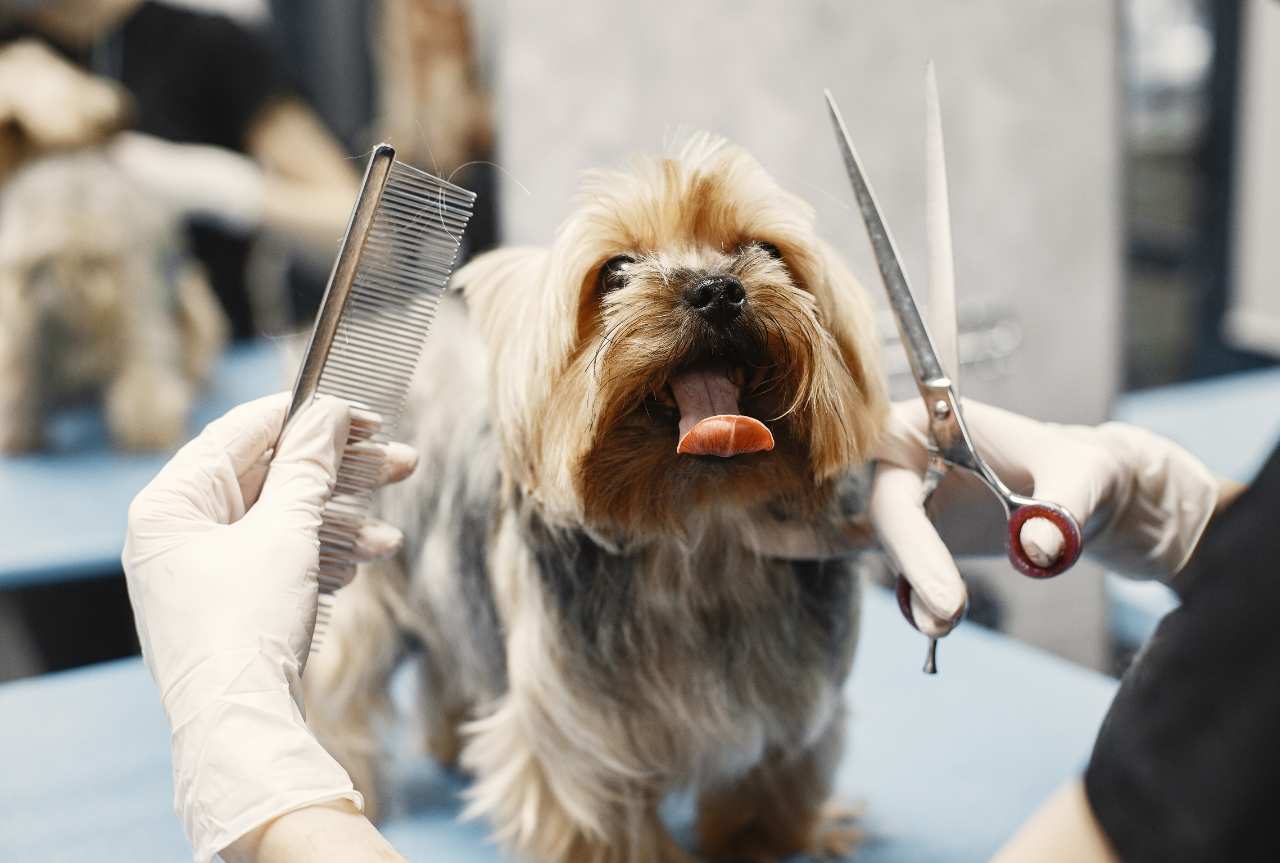
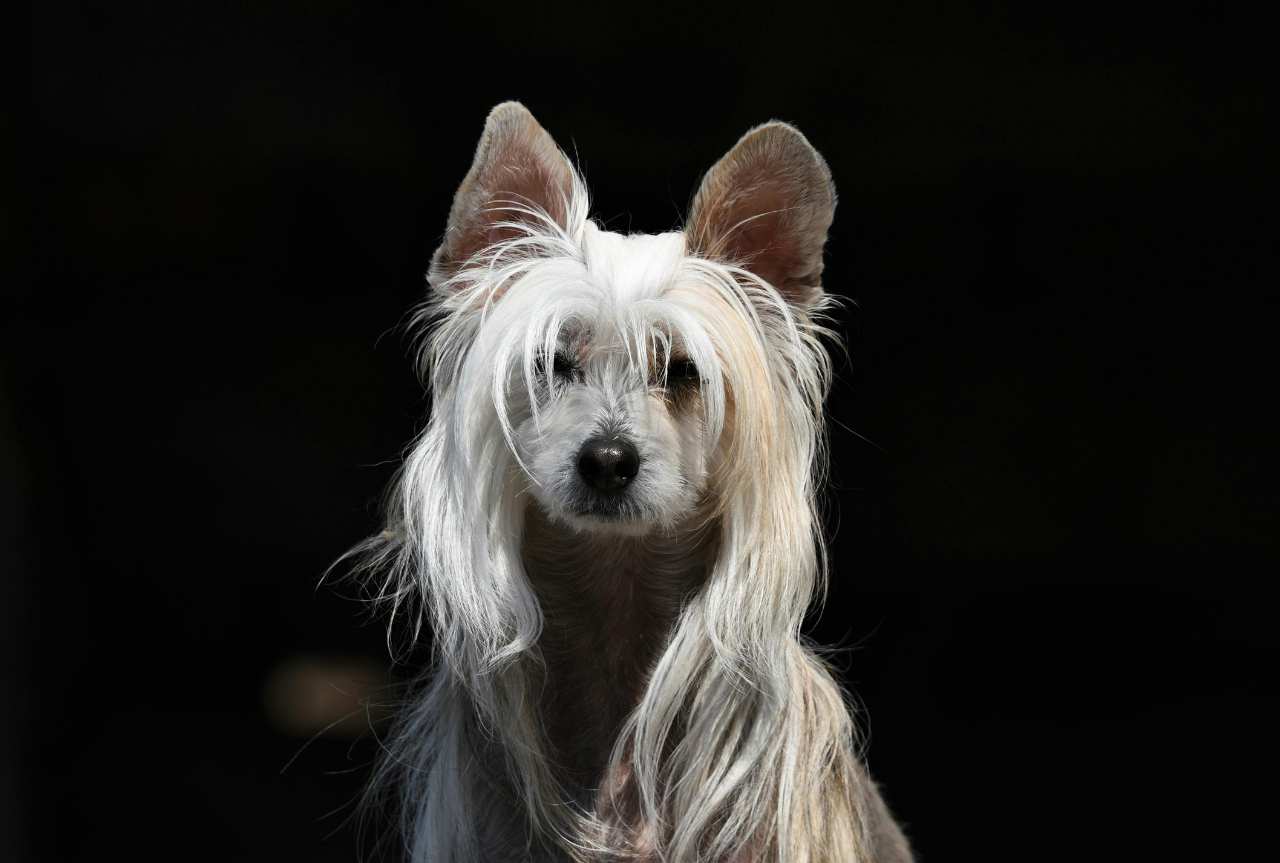
Long, silky coats exude elegance and natural shine. They move with the dog, highlighting smooth lines, but require consistent care to stay tangle-free and healthy. Grooming focuses on preserving length where desired, maintaining even ends, and keeping the coat easy to manage through regular brushing.
Full coat style
This style keeps the hair long and flowing, often reaching the floor on certain breeds. This look emphasises natural shine and straight movement, with careful trimming around the feet, sanitary areas and eyes to keep the coat practical and clean.
The full coat style requires dedicated home care and frequent brushing to prevent tangles and breakage, making it ideal for owners who are committed to regular maintenance.
Puppy cut
The puppy cut involves shortening the coat to a uniform, manageable length across the body and legs. The face is kept soft and rounded for a youthful, tidy appearance.
The style reduces daily grooming time while maintaining the coat’s visible silky texture and smoothness. It is well suited to active dogs or busy owners who desire an elegant yet practical look.
Wire coat grooming styles
Wire coats are known for their firm texture, natural protection and distinctive shape. The focus of grooming is to preserve that coarse, weather-resistant texture while maintaining clear lines and a balanced structure. The aim is to keep the coat functional and true to the breed’s characteristics, paying attention to both appearance and texture.
Hand-stripped look
The hand-stripped look preserves the coat’s natural harsh texture by removing mature outer hairs and encouraging new ones to grow correctly. This process enhances colour depth, firmness and the crisp finish that defines many terrier and schnauzer styles.
Although it requires time and skill, it delivers the most authentic texture and long-term coat quality.
Pet strip
A pet strip offers a more practical alternative to hand-stripping. Some areas are lightly clipped while others are stripped, striking a balance between ideal texture and easier maintenance.
Overall, this style keeps the look tidy and structured while making the grooming routine more manageable for everyday owners.
Clipped maintenance trim
A clipped maintenance trim uses clippers to control length across the body, focusing on shape and cleanliness. While this approach is convenient and creates a neat outline, the coat gradually becomes softer and less coarse over time.
This approach is ideal for owners who prioritise ease of maintenance, bearing in mind that the classic wire texture will become less pronounced with repeated clipping.
The effect of grooming tools on the final style
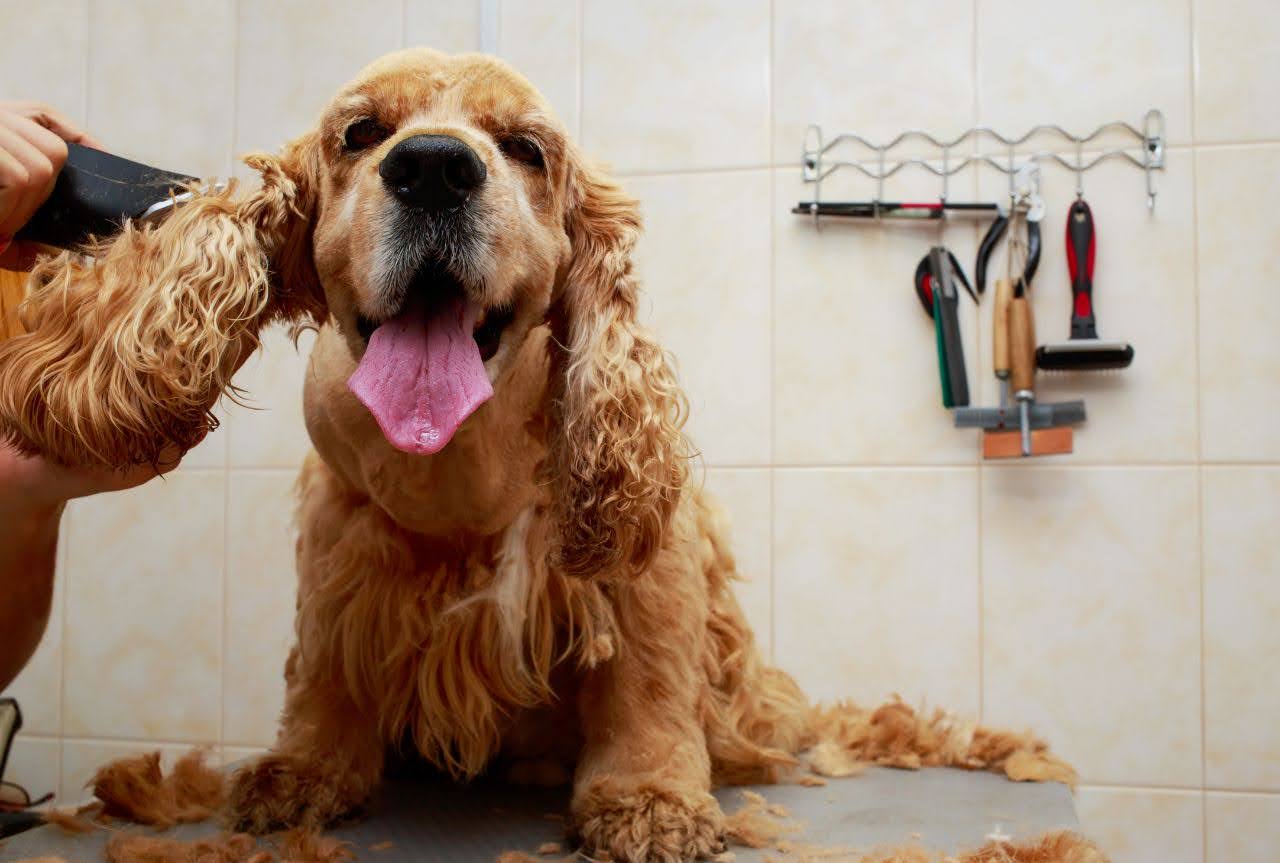
The final look of any grooming style depends on more than just cutting technique. The tools used for preparing, shaping and finishing the coat directly influence its texture, volume and overall polish. For example, brush types determine how the coat is opened, lifted or smoothed before scissoring begins. Using a brush that matches the coat structure helps to create the right foundation, resulting in cleaner lines and more balanced shapes.
Finishing tools also play a crucial role. The way you refine edges, blend transitions and control flyaways affects how professional and long-lasting the style appears. It is often the small details at this stage that make the difference between a good groom and a truly refined one.
Consistent, high-quality tools support precision, protect coat integrity and help to translate your technique into a clear, well-defined style. Exploring professional grooming tools that are designed with materials, ergonomics and coat behaviour in mind can elevate both your workflow and your results.
Discover grooming tools developed for performance and finish at minellipets.com.