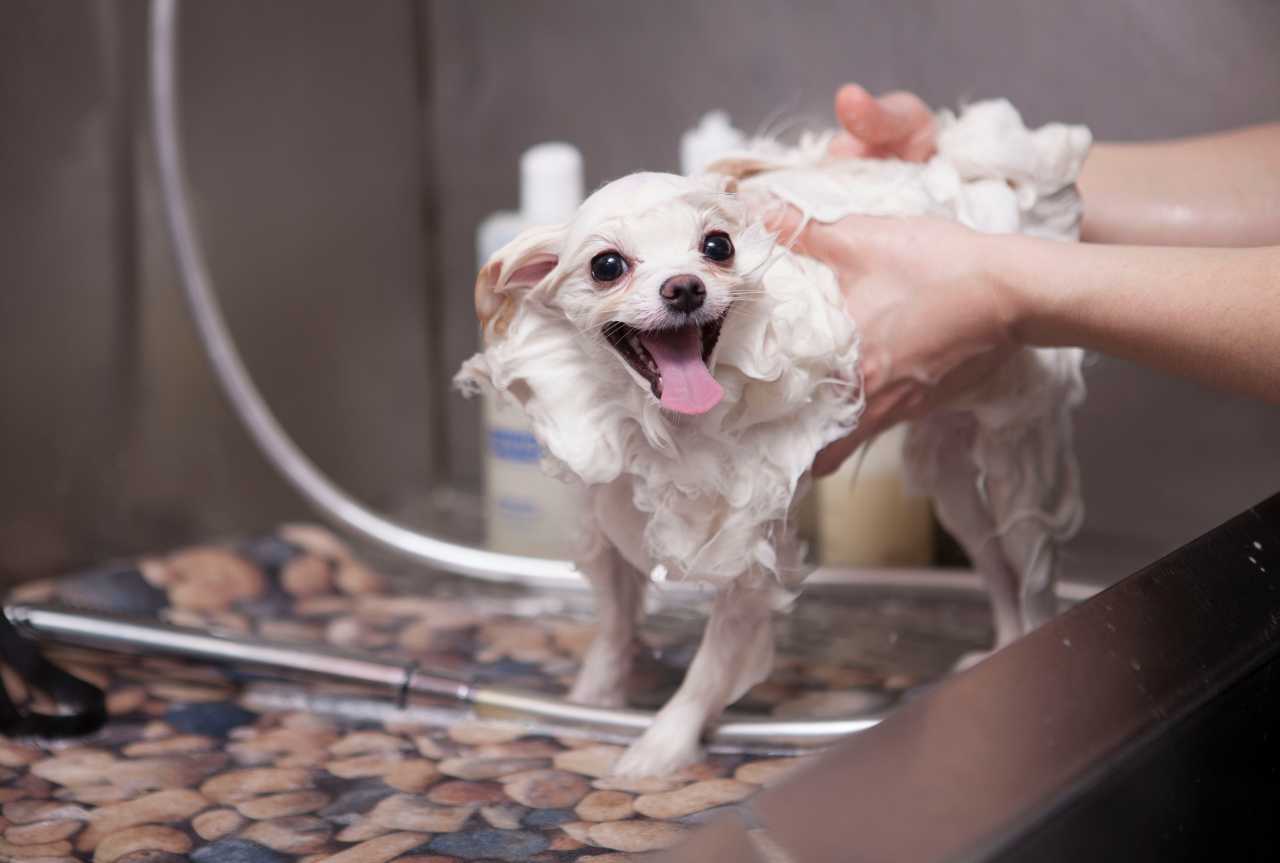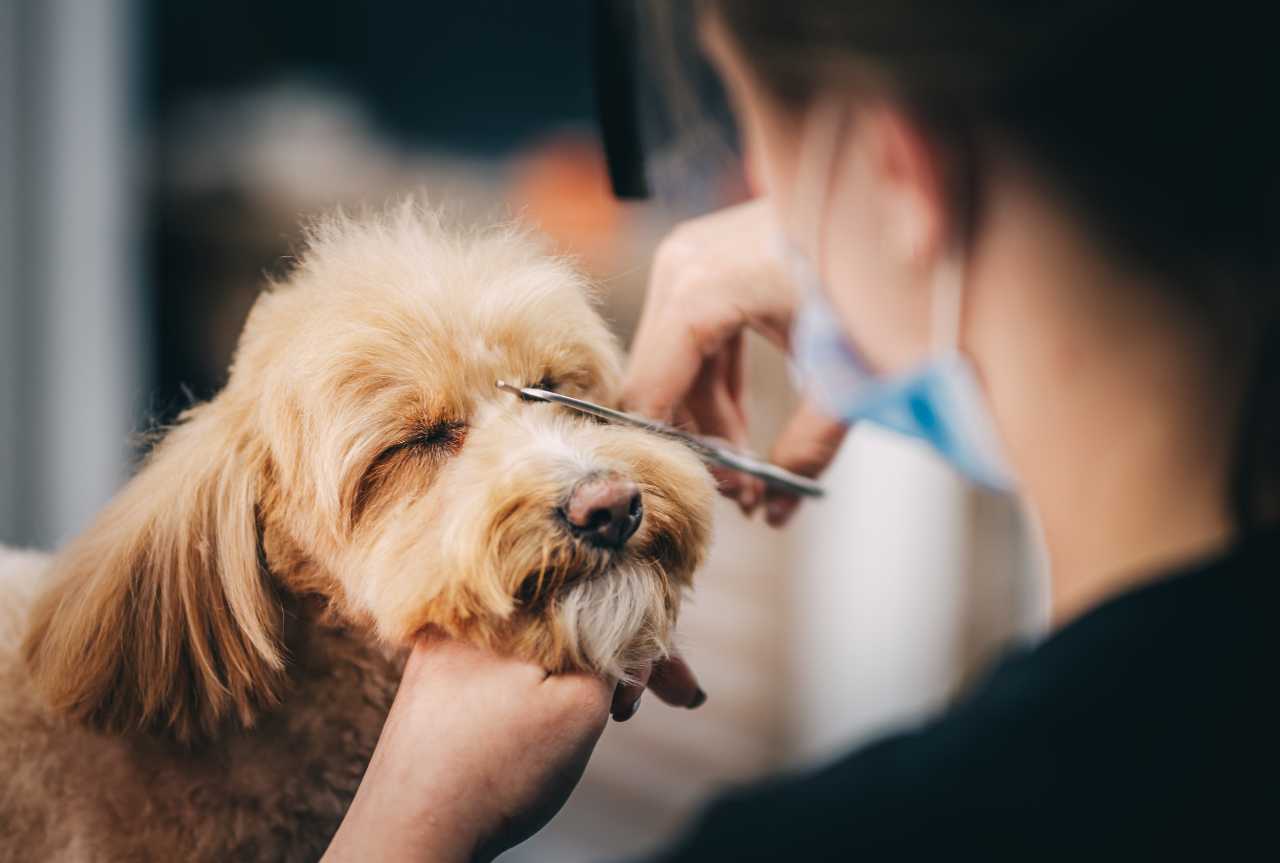

Every groomer knows that achieving a flawless, tangle-free coat requires skill, patience and the correct technique. Yet even the most experienced professionals can face a common challenge: slicker burn.
After brushing, this subtle yet painful irritation can appear, especially in sensitive areas, turning what should be a relaxing grooming experience into a source of discomfort for the dog.
Slicker burn is the result of striking the right balance between pressure, timing and tool selection. Understanding how it happens and how to prevent it is essential for ensuring that every grooming session is safe, gentle and professional.
Let’s explore what causes slicker burn, which dogs are most at risk and the most effective prevention techniques and tools.
What is slicker burn?
Slicker burn is a form of skin irritation that occurs when a slicker brush is used with excessive pressure, speed or frequency on the same area.
The friction from the metal pins can cause redness, warmth and discomfort to the dog’s skin, and sometimes results in small patches of hair loss or scaly, inflamed areas appearing a few hours after grooming.
Although it may resemble a minor rash, slicker burn can be quite painful for the animal. It most often appears in sensitive areas such as the armpits, inner thighs, abdomen or behind the ears, where the skin is thinner and more exposed.
When it comes to professional grooming, slicker burn is not an indication of negligence but rather an imbalance: an excess of emphasis on achieving perfection, with a lack of consideration for sensitivity. Recognising it early and adjusting technique distinguishes a careful groomer from an exceptional one.
What causes slicker burn?
Slicker burn usually develops as a result of a combination of technique, pressure and timing. The most common cause is brushing too firmly or for too long in the same area, particularly when the coat is dry or tangled.
Even a high-quality slicker brush can irritate the skin if used too aggressively or without paying attention to the dog’s signals.
Another frequent cause is using the wrong brush for the coat type. Pins that are too long, stiff or densely packed can penetrate the undercoat and scratch the skin instead of detangling the fur. Similarly, brushing a dirty or unwashed coat increases friction, trapping dirt between the pins and the skin.
Finally, heat and humidity can make the skin more sensitive. Brushing immediately after drying or using a hot air stream with a slicker, increases the risk of irritation, particularly for fine or short-haired breeds.
Which dogs are more prone to slicker burn?
Some dogs are more sensitive to slicker burn than others, often due to their coat texture, skin condition or how frequently they are groomed.
Breeds with fine, thin, or single-layer coats, such as poodles, Maltese and bichon frises, are more vulnerable as their skin is delicate and closer to the brush pins.
Long-haired breeds such as Afghan Hounds, Setters and Collies can also be at risk if their coat is heavily tangled or if the undercoat is removed too quickly. In these cases, the brush may pull on the skin beneath instead of simply gliding through the hair.
Puppies, senior dogs and those with dermatological issues require particular care as their thinner skin barrier makes them more susceptible to micro-abrasions and irritation.
READ ALSO:
Best slicker brush for poodles: choosing the right grooming tools for your clients
Dog shedding season: how to prepare your offer for the busy months ahead
How to prevent slicker burn
Preventing slicker burn is about refining your technique and understanding the skin beneath the coat.
Here’s how to reduce the risk while maintaining speed and precision:
- Choose the right slicker brush for the coat type: long, dense coats require longer pins, while delicate or thin coats benefit from softer, more flexible ones. Using the wrong brush creates unnecessary friction and irritation;
- Work in layers, not repetitively: divide the coat into sections and gently brush each area from root to tip. Avoid repeatedly brushing the same spot;
- Control your pressure: allow the pins to glide through the coat, do not force them. The slicker should move with the coat, not against it;
- Keep the coat clean and slightly damp: brushing dirty or dry fur increases resistance. Use a conditioning or detangling spray to reduce static and help the slicker glide smoothly through the coat;
- Avoid excessive heat: do not use hot air at high speed while brushing. Allow the skin to cool before brushing again, especially after drying sessions;
- Clean and maintain your slicker brush regularly: buildup of dirt, hair and product can make the pins rough. Wash and inspect the brush regularly to keep it smooth and hygienic.
The right tools make all the difference
Even the most experienced groomer relies on the precision of their tools. Minelli PETS slicker brushes are designed to protect the skin and coat, minimising friction while maximising efficiency.

Each brush combines an ergonomic design, selected materials, and carefully engineered pins that glide smoothly through the fur, reducing the risk of irritation and ensuring an even, gentle finish every time.
With different models and pin configurations available, our slicker brushes can adapt to any coat type or grooming style, giving professionals the control and confidence they need to work safely and effectively.
Discover the Minelli PETS slicker range, where comfort, precision and durability come together to redefine professional grooming.